Bel Canto Rediscovered 1700-1900
Experience innovations in singing sounds and practices
We acknowledge the Gadigal people of the Eora Nation as the traditional custodians of the land on which the Sydney Conservatorium of Music stands. We pay our respect to Elders past and present, acknowledging the ongoing connection to Country, culture, and community.
Upcoming Research Event
Extrapolating 18th- and 19th-century bel canto: Processes, practices and pathways
June 26–28, 2026
Sydney Conservatorium of Music, University of Sydney
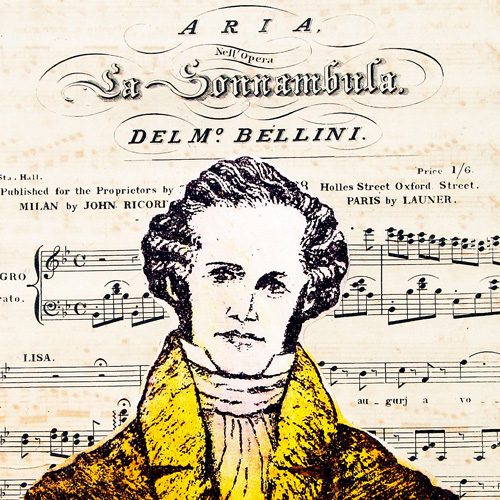
The symposium will bring together expert musicians from across the globe to demonstrate cutting-edge methods of realising techniques and practices appropriate to historical bel canto, with a view to contributing to a publication (edited book). As part of the symposium we will have a world leading expert in bel canto—Professor Christoph Meier (University of Music and Performing Arts Vienna)—as a keynote presenter in SCM’s special Hook Lecture Series.
This event is funded through the support of the Australian Research Council for the ARC Discovery Project “The shock of the old: Rediscovering the sounds of bel canto 1700-1900” (DP220101596)
Welcome to Bel Canto Rediscovered 1700–1900. This site is an outcome of the Australian Research Council funded Discovery Project The shock of the old: Rediscovering the sounds of bel canto 1700–1900 (DP220101596). The research team is excited to share the project’s outputs including historical recording emulations, experimental creative research, discussions, resources and written publications.
Background Image: The Austrian baritone Johann Michael Vogl (1768–1840) singing with Franz Schubert (1797-1828) playing the piano at a gathering at the home of Joseph von Spaun (1788-1865) an Austrian nobleman. Drawing by Moritz Ludwig von Schwind (1804–1871). 19th Century.
About: In 1868, Schubert’s companion—the Austrian painter Moritz Ludwig von Schwind (1804–1871)— sketched an intimate Schubertiade: Franz Schubert (1797–1828) at the piano, accompanying his favoured baritone Johann Michael Vogl (1768–1840). Their partnership, forged in private salons and public concerts, drew audiences into a world of song defined by immediacy, drama, and profound feeling. Schubert’s close friend Joseph von Spaun (1788–1865) recalled their performances that “delighted, shocked, thrilled, and often moved [audiences] to tears,” while Schubert himself wrote in 1825: “The way Vogl sings and I accompany, the way we seem to be one in such a moment, is something new and unheard of to these people.” Schwind’s image captures this unity— composer and singer channelling a declamatory art that treated poetry as living theatre, and music as its pliant, responsive partner.